
The Maryknoll Brothers are well known for a variety of technical, mechanical, and specialized skills used to support Maryknoll’s missions. Several of these brothers took up the beautiful art of architecture to help build churches, schools, meeting halls, rectories, convents, and more. Their skills were not limited to physical construction, but also design and engineering for all types of projects. These Brother Architects served as an important part of Maryknoll’s expanding mission.
I want to highlight five Maryknoll Brothers who learned to be skilled Architects: Brothers William Neary, John E. Walsh, George Carlonas, Felix Fournier, and Robert A. Butsch. These Brothers missioned across Asia, Africa, and Latin America, constructing countless buildings for Maryknoll and the communities it serves.
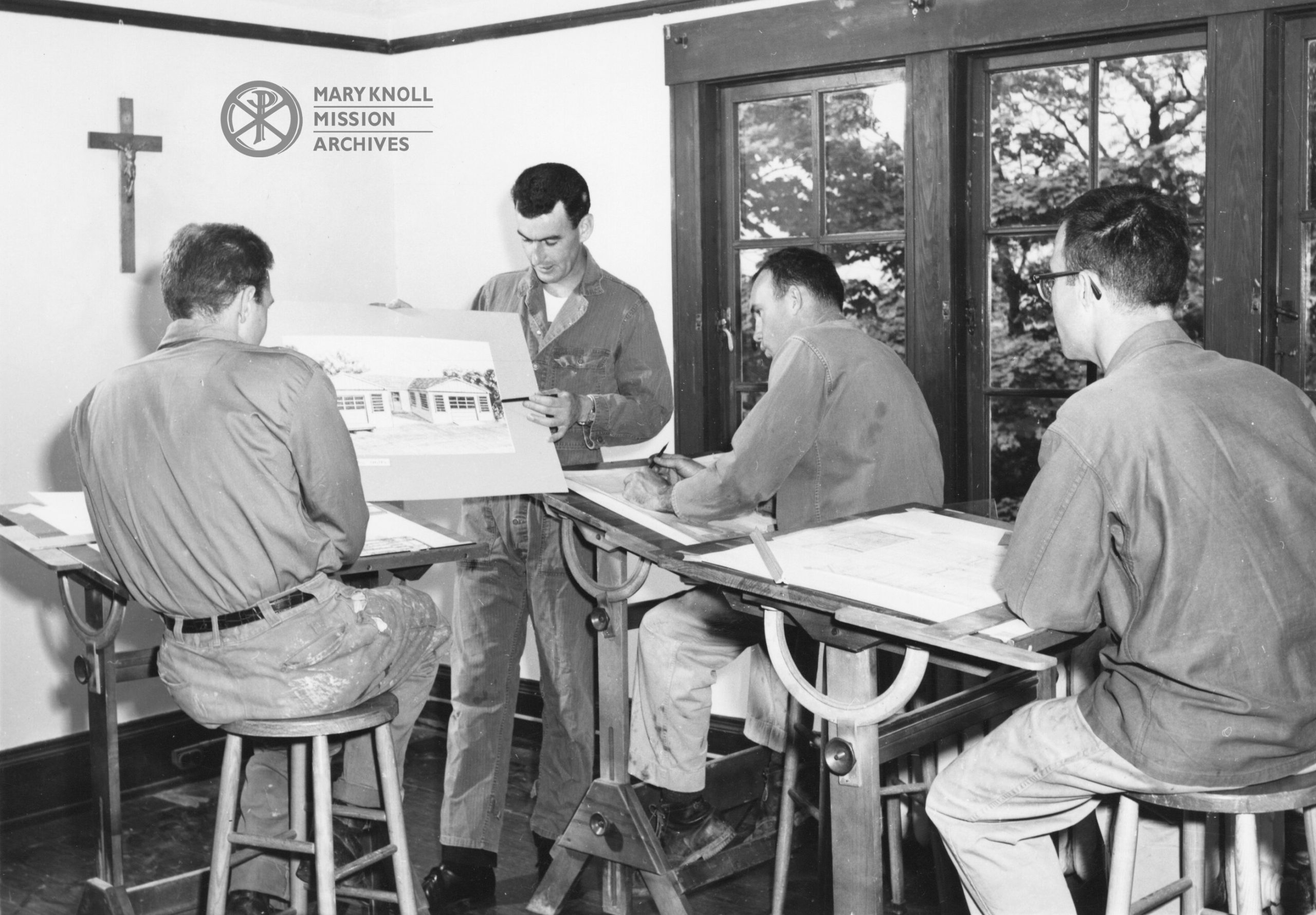
Brother William Neary, MM
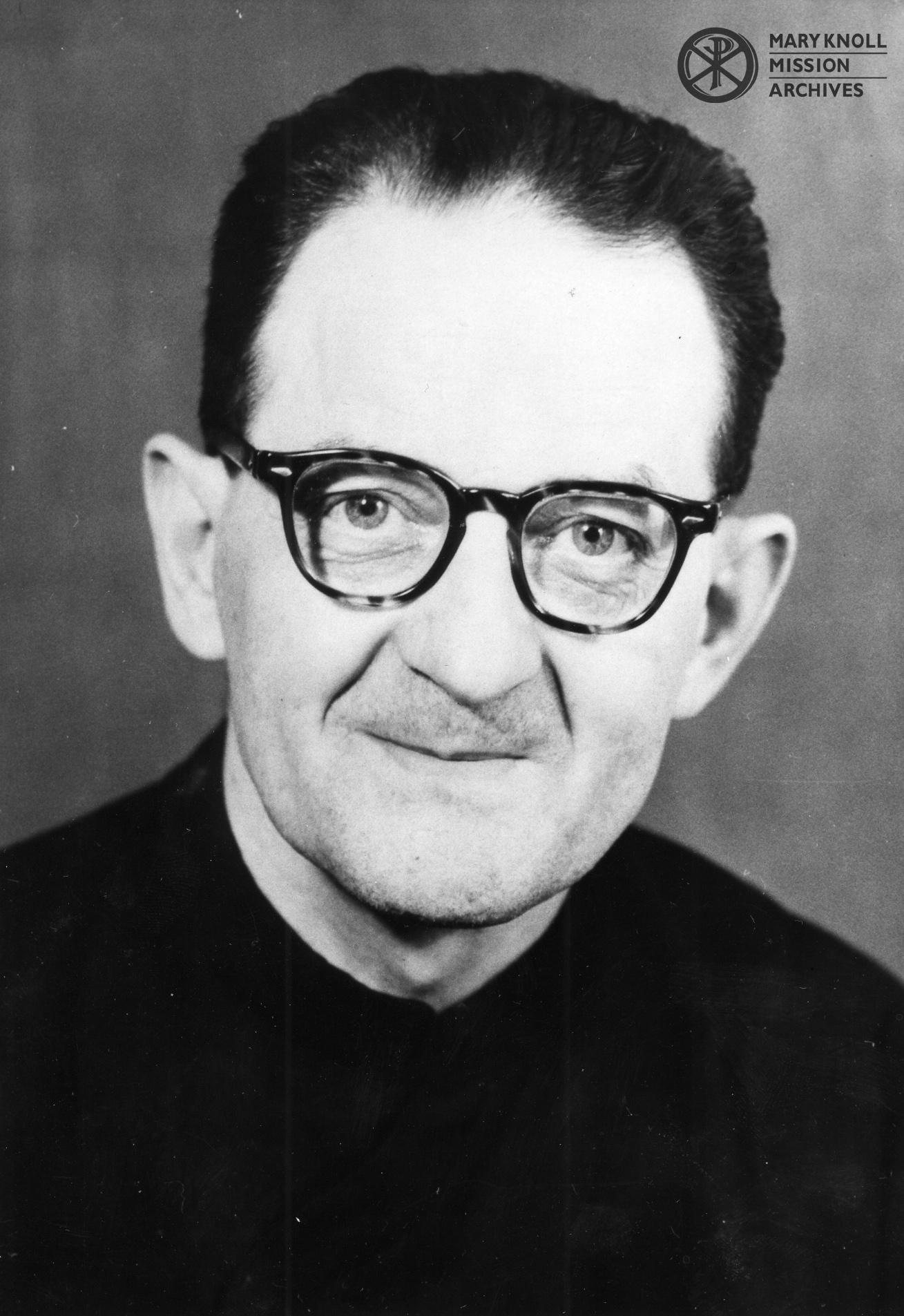
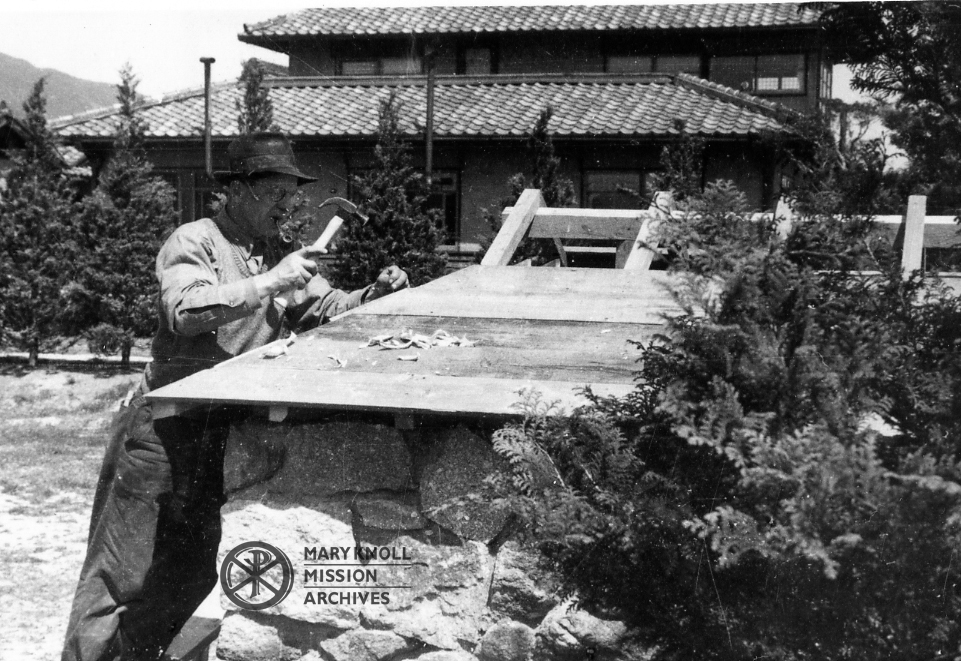
The first of Maryknoll’s Brother Architects is Brother William Neary, a prolific builder in Asia. He joined Maryknoll on September 29th, 1923 and began training as a religious brother. Early in life he was urged to join the priesthood, but his lifetime calling was being a brother. In 1926, Br. Neary was assigned to his first overseas assignment in Korea.
His mission career spanned 20 years in Korea and Japan, constructing numerous mission buildings for Maryknoll’s parishes. He learned on the job: designing, constructing, and managing all sorts of building projects. When the Superior General visited the missions in 1952, he asked Br. Neary for a list of all he built. The total was over 100 buildings: 18 rectories, 17 chapels, 15 churches, 11 houses, 5 meeting halls, 3 combination churches and rectories, 5 small schools, 2 sanitoriums, 2 central houses, 1 large school and many smaller homes used by catechists and employees.
Br. Neary’s skillset focused on creating affordable, sustainable, and well built missions in both Western and Eastern styles. Br. Neary received high praise for the quality of his construction and his management abilities. As he transitioned to the Japan Mission, he was given the task of building up the Kyoto Prefecture in a Post-War world.
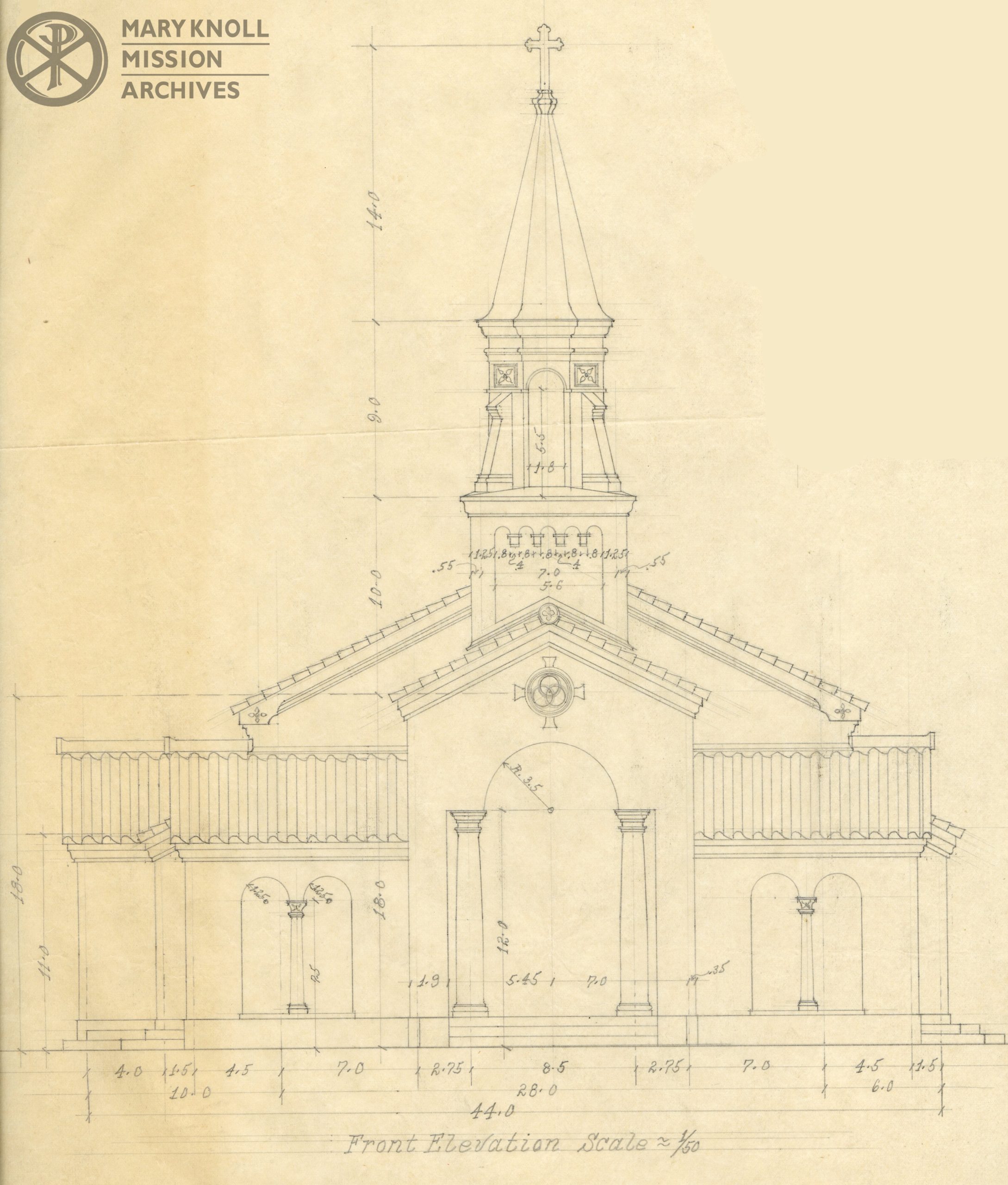
With limited funds and high costs, Br. Neary faced the challenge of making construction sustainable, especially with frequent earthquakes in Japan. He created a standard design for new Chapels in Japan, featured on the right. While each church would differ slightly, this set of blueprints acted as a framework for several parishes. Br. Neary left a lasting legacy of parishes that still stand to this day.
Brother John E. Walsh, MM
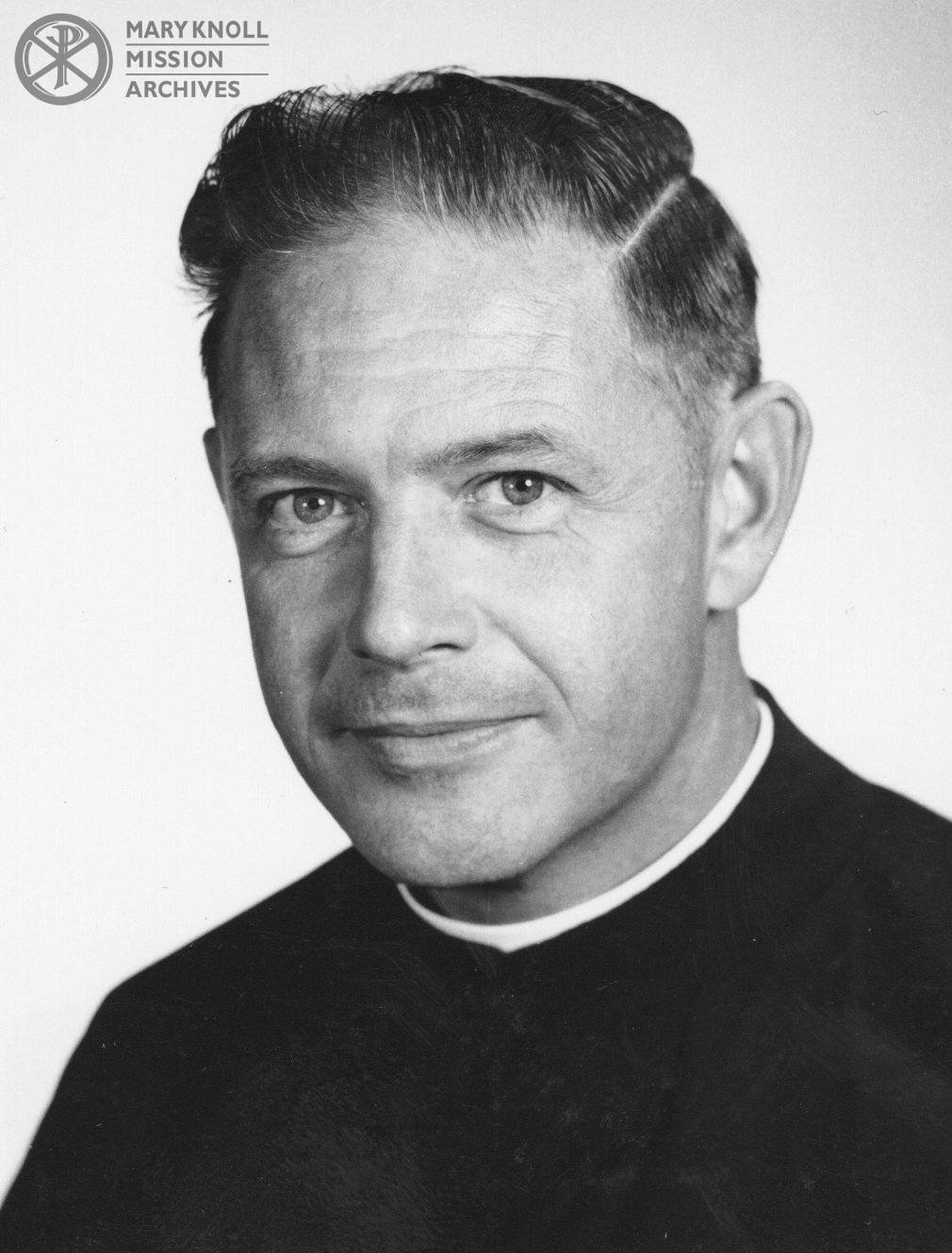
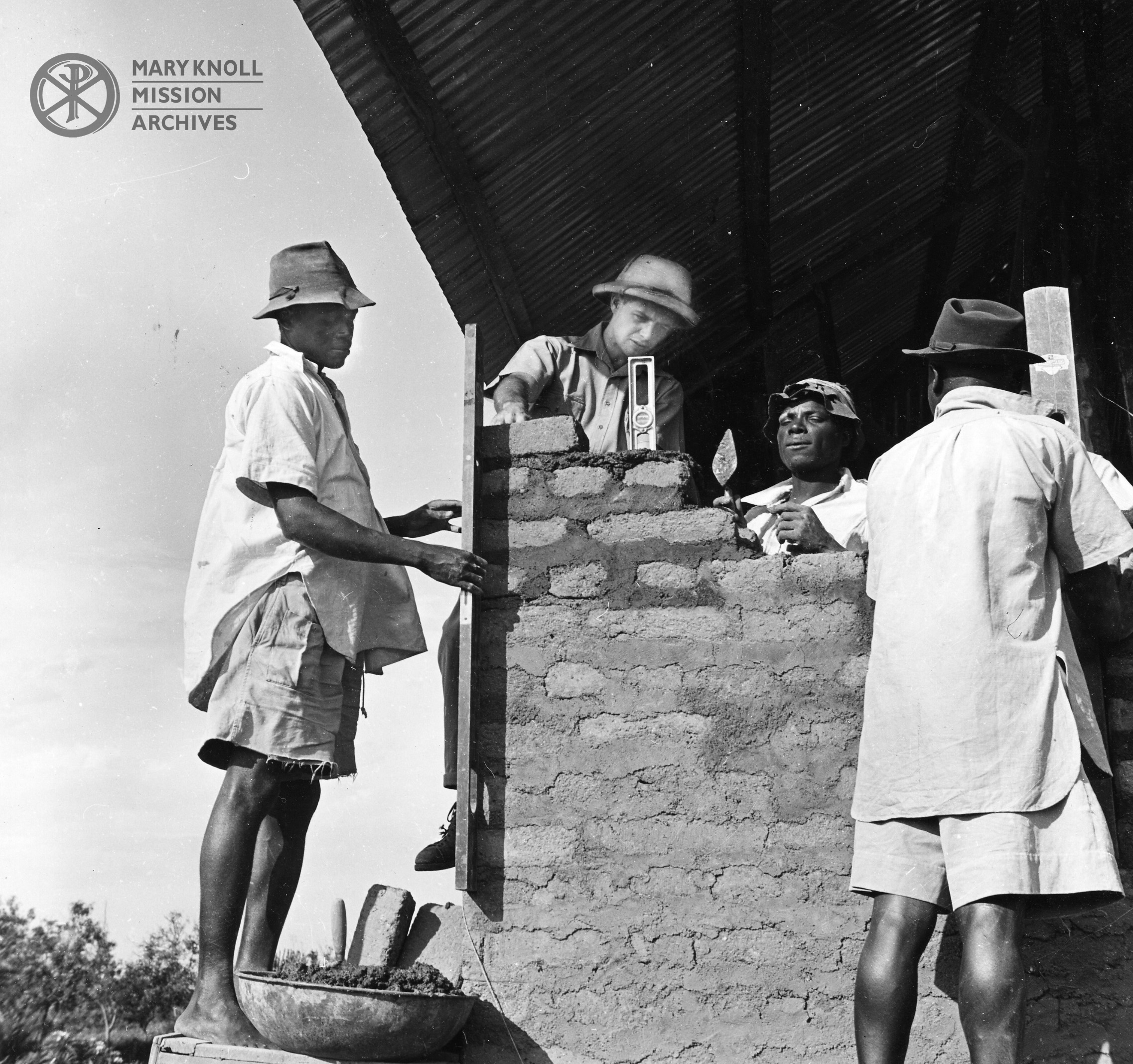
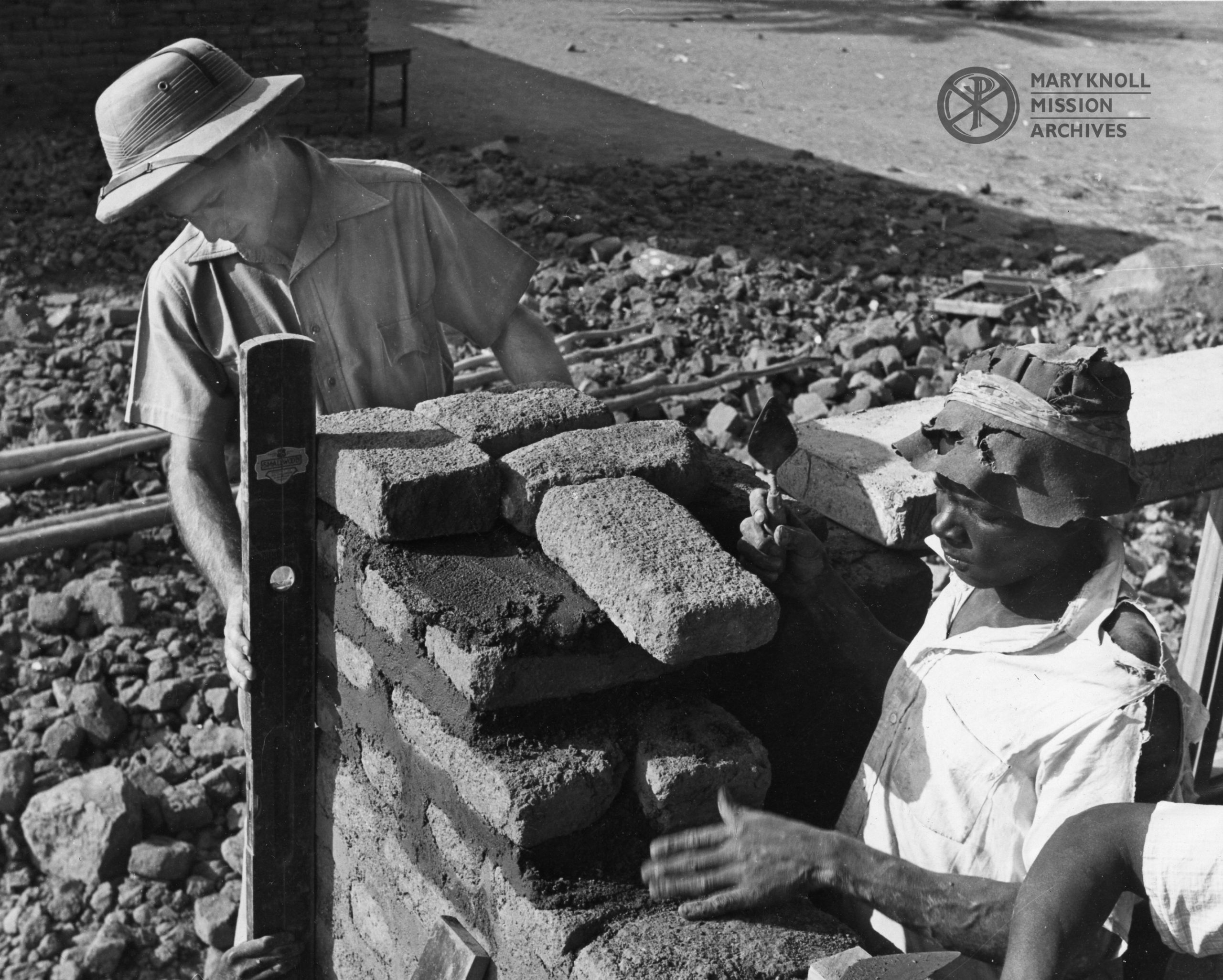
In East Africa, Brother John E. Walsh is well known as a builder of the local church. Br. Walsh joined Maryknoll in January 1944 and took the name “Damien”, returning to his birth name in 1976. Br. Walsh worked a number of assignments in the United States before being assigned to Tanzania in 1949.
After Language Studies, Br. Walsh started building for the mission stations. At first, it was centered on physical construction, but over time he got more into architecture. By 1960, he earned a Degree in Architecture from the East Africa Institute of Architects. His first stint in Africa continued until a four-year furlough to the States in 1968.
Returning in 1972, Br. Walsh joined the Nairobi City Council on behalf of the Archdiocese. He spent 6 years as an Architect and planner for low-income housing, before eventually handing it over to local Architects. He continued to support the African Missions, spending 4 terms on the Regional Council. With his years of wisdom, advice, and good work, many have said Br. Walsh helped “build” the local Church in East Africa.
Brother George Carlonas, MM
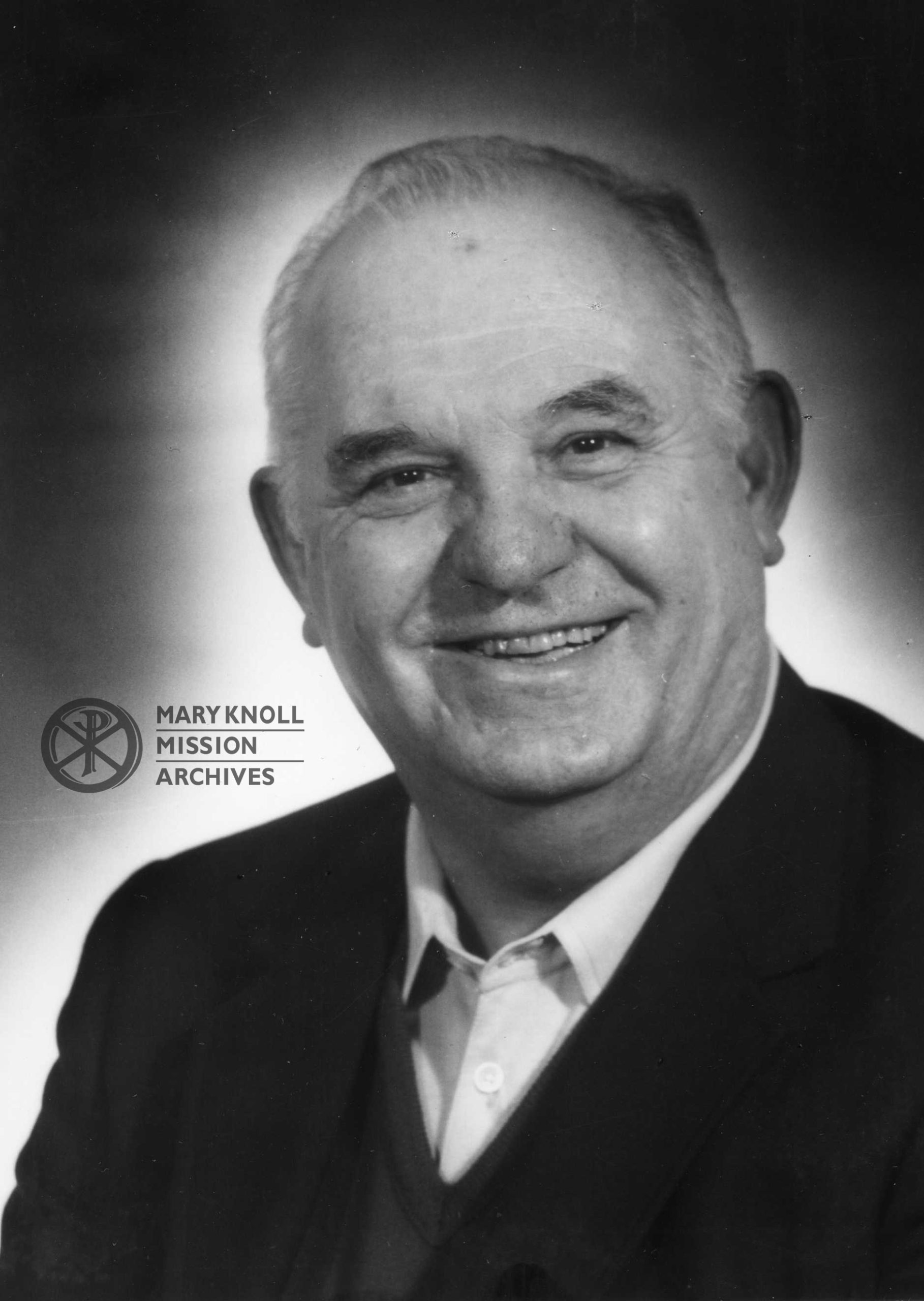
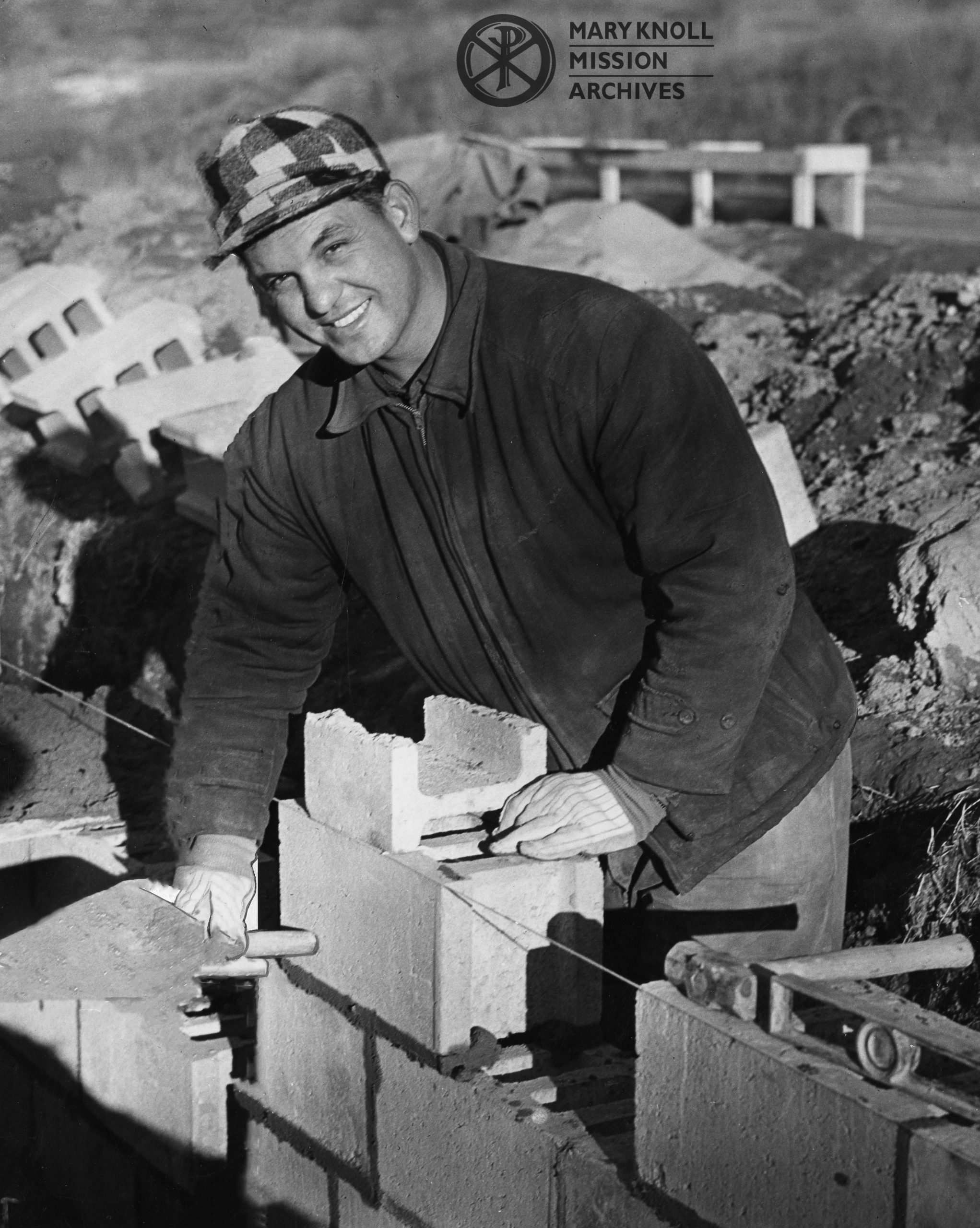
Another notable builder in Africa is former pro Baseball player, Brother George Carlonas. Following a call from The Field Afar, he joined Maryknoll on September 21st, 1947. When Br. Carlonas professed his First Oath he took the name “Leonard”, but reverted back to his baptismal name in 1964. His early assignments were spent working as a mechanic and Jack of all Trades at a variety of Maryknoll’s preparatory institutions.
More personnel was need at Maryknoll’s expanding Africa mission, and Br. Carlonas was called to service in 1956. Like Br. Walsh, he immediately set about working as a draftsman and builder for the budding mission stations. He worked tirelessly in Tanzania until the building boom ended, reassigned to the States in 1971. As time went on, Br. Carlonas’s architecture talents were tapped again and again. He helped oversee renovations to the Stanley House in Hong Kong and spent many years working for Maryknoll’s Physical Plant department.
Brother Felix Fournier, MM
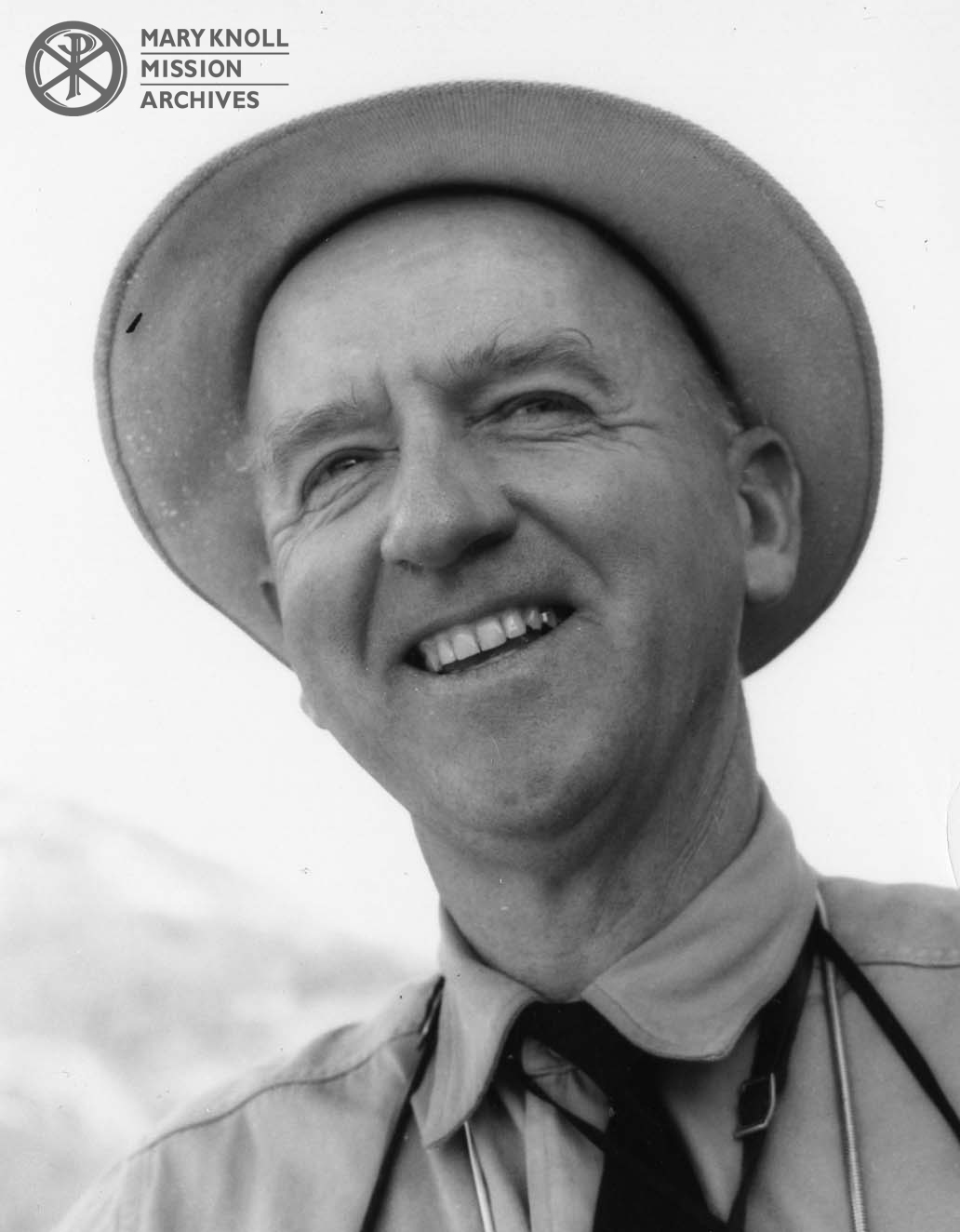
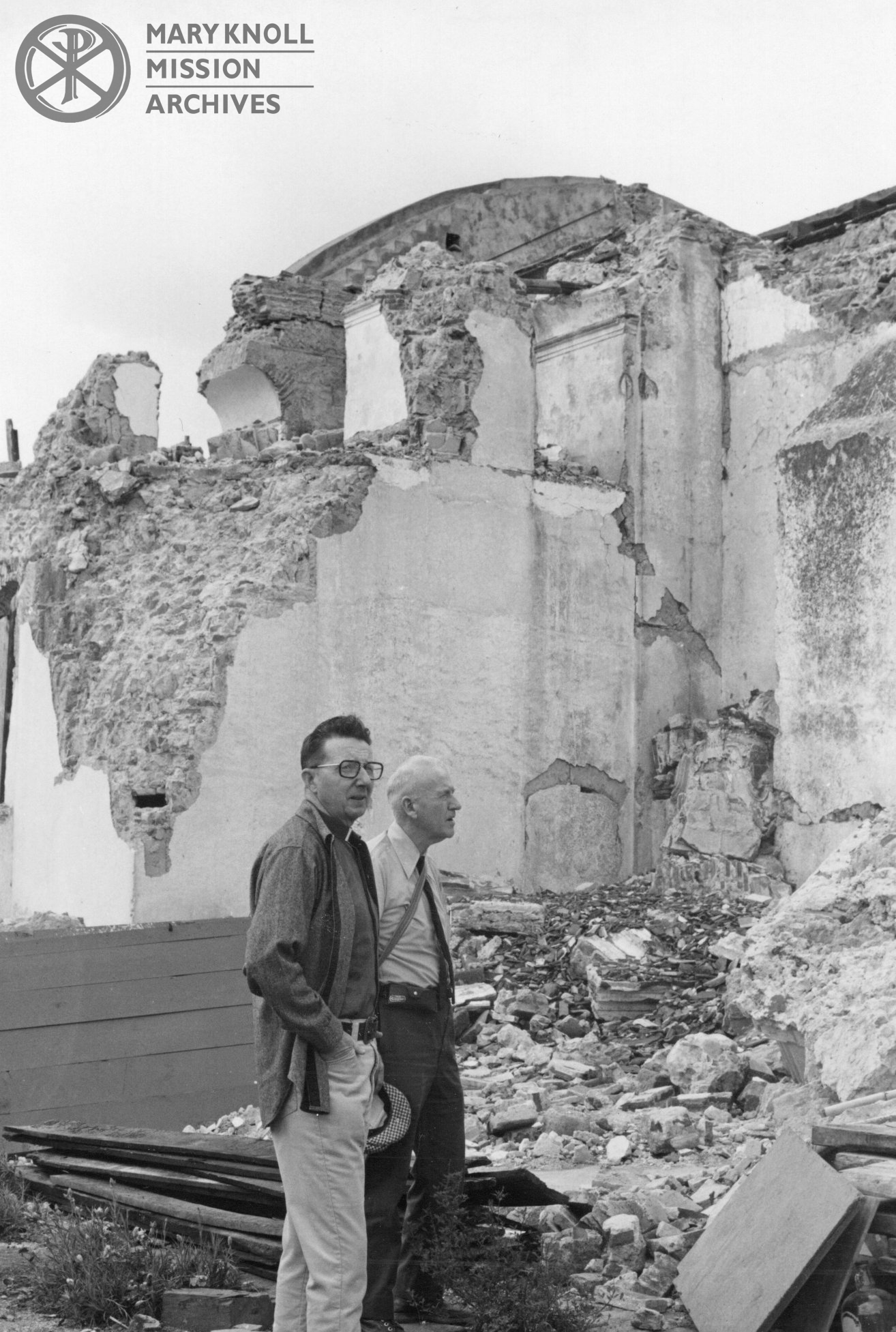
Shifting to Latin America, Brother Felix Fournier served as another Jack of All Trades for Maryknoll’s Guatemala Mission. He joined Maryknoll on May 31st, 1938 after earning a Bachelor’s in English and working for a year and a half. By the time he took his Perpetual Oath, Br. Fournier was a skilled writer, editor, photographer, and mechanic. All of these skills would be utilized in his first mission assignment to Huehuetenango, Guatemala in 1946.
Upon arrival, the priests asked Br. Fournier to help establish their new parishes. He became an electrician, then a plumber, and then established a credit union. As Br. Fournier continued his many jobs, the Bishop of Huehuetenango approached him to build a new Diocesan Center. Eager to do it right, Br. Fournier returned to the States to learn mechanical and architectural drawing in Manhattan.
Upon his return, he designed and built the center, which was touted as some of the most beautiful construction in the diocese. Br. Fournier continued building efforts, constructing churches, rectories, and the Maryknoll Center House. In 1976, he was in Guatemala when an Earthquake devastated the country. He was among the many Maryknollers to respond and aid reconstruction efforts, using his skills as an architect.
Brother Robert A. Butsch, MM
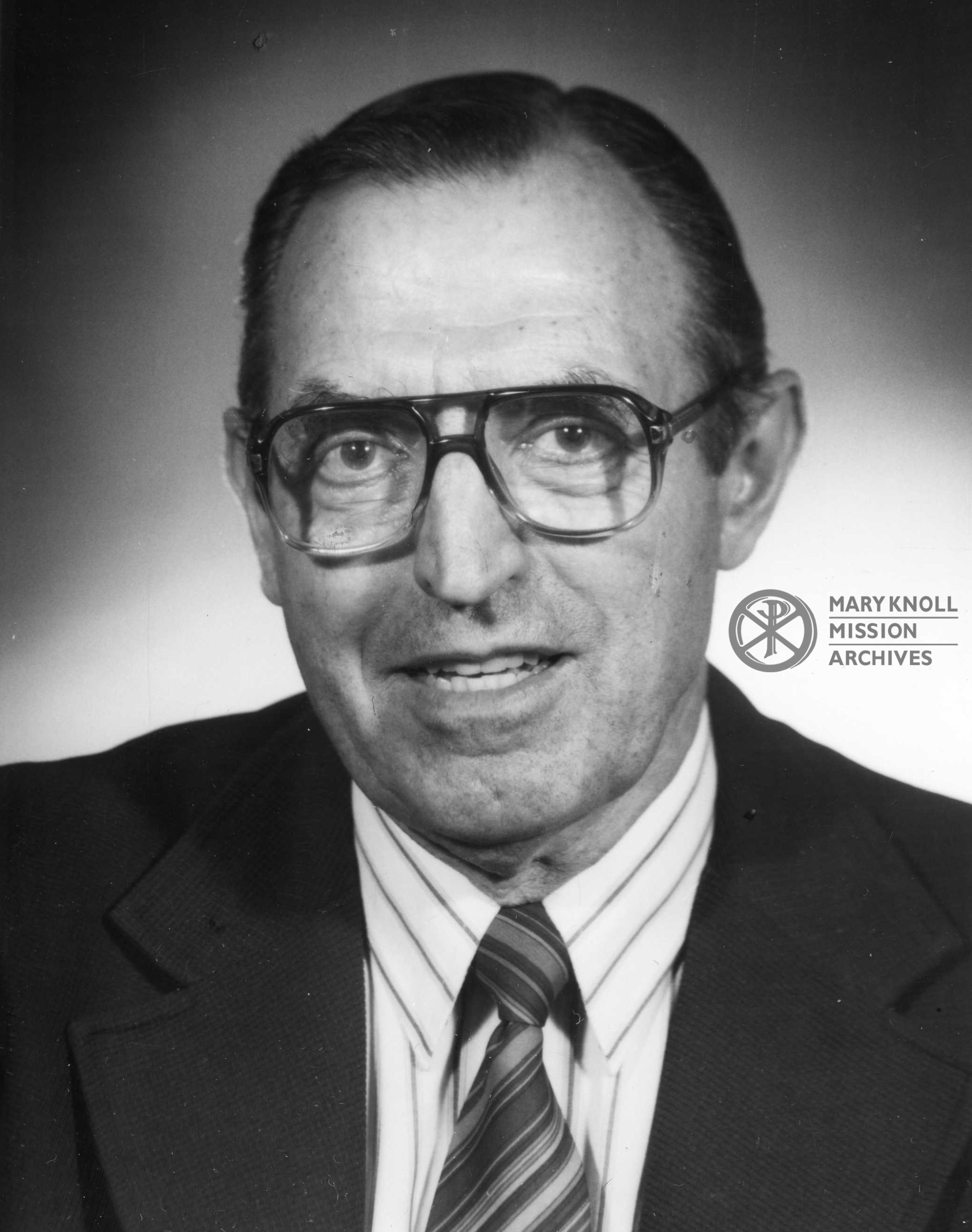
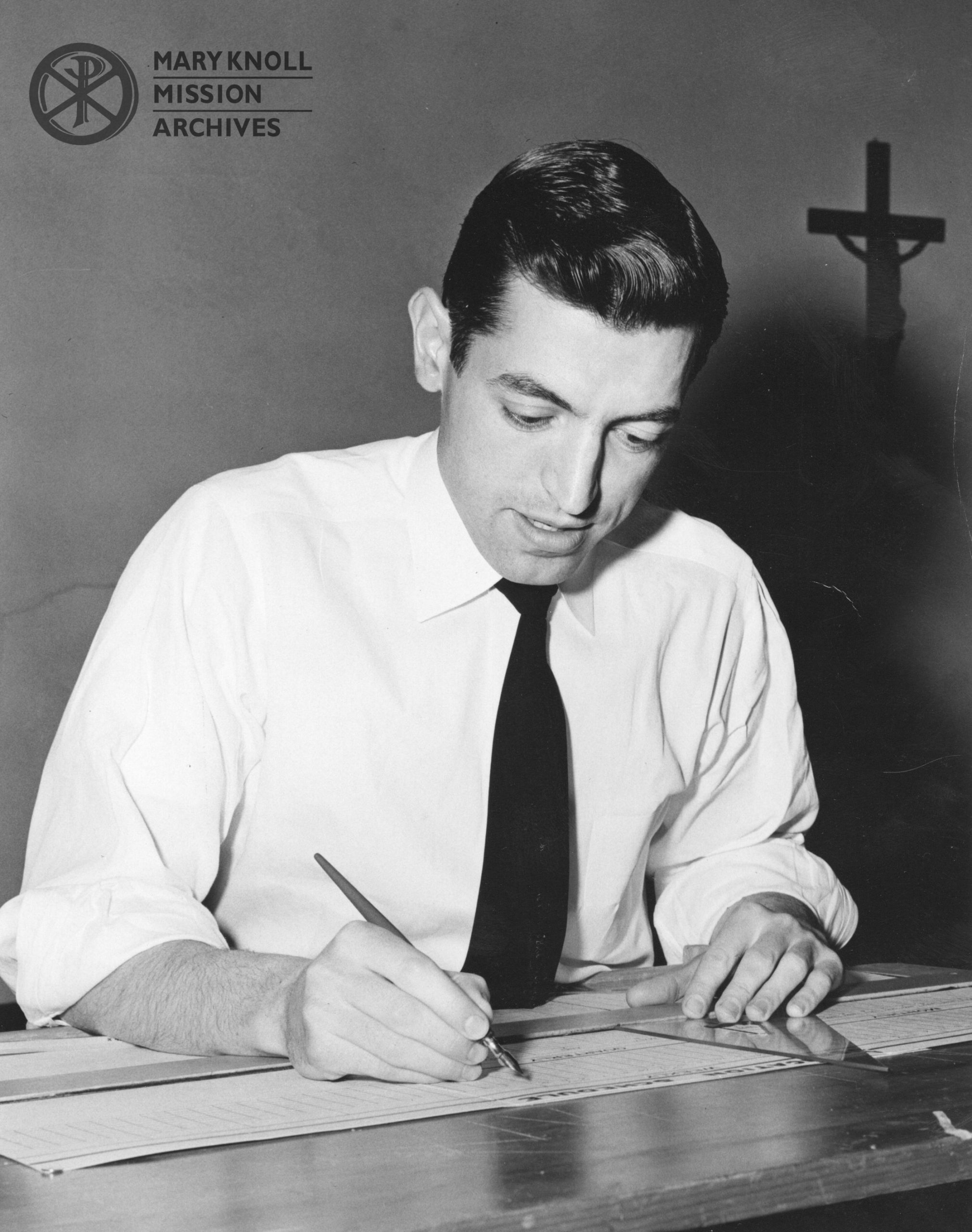
Of the Brother Architects, Brother Robert A. Butsch more filled the role of an engineer with his mission career. He joined Maryknoll on September 27th, 1954 after a call to religious life while earning a Mechanical Engineering degree at Purdue University. Br. Butsch took the name “Placid” upon his first oath, eventually returning to his birth name in 1971. He started his career assisting Father Norman Batt, MM, in charge of all of domestic construction for Maryknoll.
The seven years he spent under Father Batt prepared Br. Butsch for his first overseas assignment in Guatemala, starting in 1963. While there, he oversaw construction planning, supervised building, and worked on community projects. In particular, Br. Butsch used his engineering background to design sizeable water and cable bridge projects for local communities. He continued this work when he transferred to Nicaragua in 1972.
